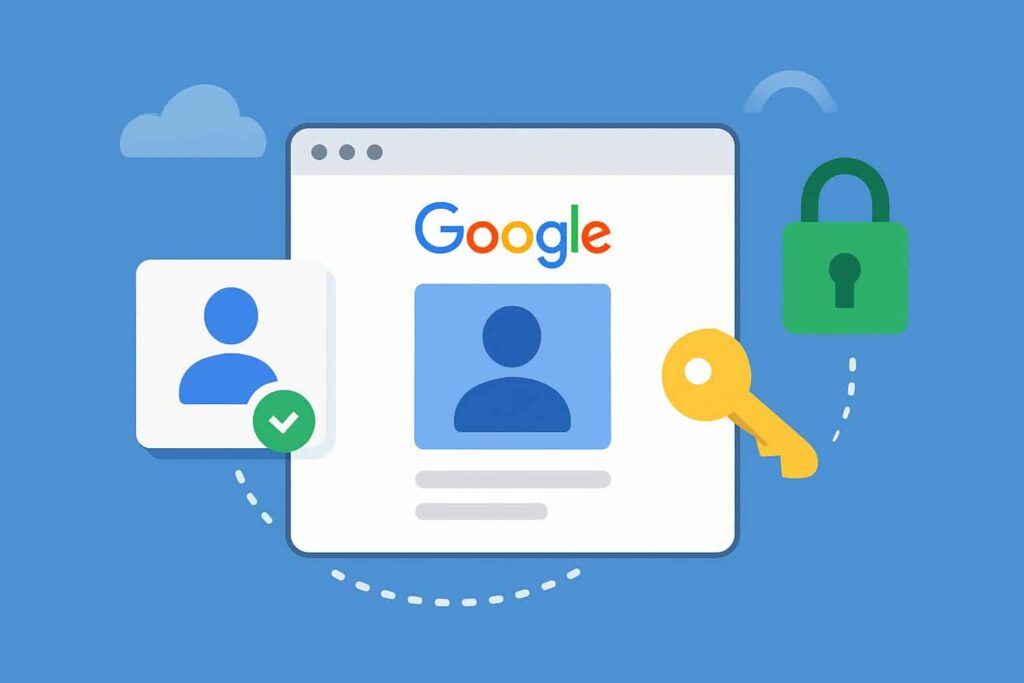
Google has announced a new option that allows users who no longer have access to their Google account to recover it with the help of friends or family: Recovery Contacts.
Over the past few years, Google has made logging into your Google account easier and more convenient. For example, you can log in by entering a username and password, but also by enabling biometric authentication, setting up a passkey, or entering a time-based one-time passcode (TOTP) with an authenticator app.
But what if you forget your password or lose your device containing your authenticator app or passkey? In these situations, it can be difficult to reclaim access to your Google account.
For that very reason, Google has introduced a new feature to strengthen account recovery: Recovery Contacts. This new option lets you choose trusted friends or family members to help if you ever get locked out of your Google account.
“It’s a simple, secure way to turn to people you trust when other recovery options aren’t available,” Google promises in a blog post.
How does it work? When you can’t log in to your Google account, you can reach out to one of your recovery contacts and share a code with them. They will receive an email or push notification and can confirm that it’s you by verifying that code. The recovery contact can then approve the request, helping you securely regain access to your account.
Google ensures that recovery contacts don’t have access to your Google account or any of your personal information. You can add up to 10 recovery contacts to your account by visiting g.co/recovery-contacts.
To help you set up one or more recovery contacts, Google has launched a support page. In short, you’ll have to open your Google account, tap Security & sign-in, tap Recovery Contacts, tap Add recovery contact, enter contact information, and lastly tap Send request. Your recovery contact now has 7 days to accept your invite.
The Recovery Contacts feature is rolling out globally as we speak, but it may take some time before it’s available for all users.