
As we step into 2025, the landscape of ecommerce continues to evolve at a breathtaking pace. This evolution presents both exciting opportunities and formidable challenges for businesses aiming to capture and retain customers in an increasingly competitive marketplace. To stay ahead, your ecommerce website must not only meet current consumer expectations but also anticipate future trends. Here are ten essential features that every successful ecommerce website needs to incorporate in 2025 to thrive in this dynamic environment.
1. Personalized Shopping Experience
Personalization is no longer a luxury but a necessity. By leveraging AI and machine learning algorithms, ecommerce websites can offer personalized product recommendations based on users’ browsing history, past purchases, and preferences. Implementing this feature creates a tailored shopping experience that can significantly enhance customer satisfaction and drive sales.
2. Fast and Secure Checkout Process
A smooth and efficient checkout process is critical. Customers are more likely to abandon their carts if the checkout experience is cumbersome. In 2025, ecommerce websites must prioritize a streamlined, multi-step checkout process that includes various payment options, such as digital wallets, pay-later schemes, and biometric payments. Security measures, including SSL certificates and PCI compliance, should also be top priorities.
3. Augmented Reality (AR) Capabilities
As AR technology advances, it has become a valuable tool for ecommerce. By enabling customers to visualize products in their own environment, AR enhances decision-making and reduces return rates. Furniture, fashion, and beauty brands can particularly benefit from this technology, allowing customers to see how a product fits into their lives before making a purchase.
4. Mobile Optimization
With mobile shopping on the rise, it’s imperative that ecommerce websites are fully optimized for mobile devices. A responsive design, fast loading times, and touch-friendly interfaces are crucial for retaining mobile shoppers. Plus, integrating mobile-specific features like one-click purchasing and location-based services can provide a seamless shopping experience on smartphones and tablets.
5. Advanced Search Functionality
Consumers today expect the ability to find precisely what they are looking for with minimal effort. Advanced search features such as natural language processing, filters, and visual search capabilities can significantly enhance user experience by making it easier to discover products. Incorporating these features can lead to increased engagement and higher conversion rates.
6. Comprehensive Customer Support
Exceptional customer service remains a cornerstone of ecommerce success. Offering a variety of support channels—such as live chat, chatbots, FAQ sections, and customer service hotlines—ensures that customers can easily get assistance when needed. Investing in effective customer support tools enhances trust and increases customer loyalty.
7. Social Commerce Integration
Social media platforms are evolving into vital sales channels, making social commerce integration essential. Features that allow users to shop directly through social media posts or ads can significantly boost product visibility and drive traffic to your ecommerce site. Additionally, incorporating social proof, such as user-generated content and reviews, can further enhance credibility.
8. Subscription Options
Subscription models are gaining traction in various industries, offering customers convenience while ensuring predictable revenue for businesses. In 2025, ecommerce websites should consider implementing subscription options for products or services that customers regularly need, allowing for a steady stream of income while enhancing customer retention.
9. Sustainability and Ethical Practices
Today’s consumers are increasingly conscious of their purchasing decisions and are more likely to support brands that align with their values. Building features that highlight your brand’s commitment to sustainability—such as eco-friendly packaging options, carbon footprint calculators, and transparent sourcing information—can greatly influence consumer behavior and foster brand loyalty.
10. AI-Driven Analytics and Insights
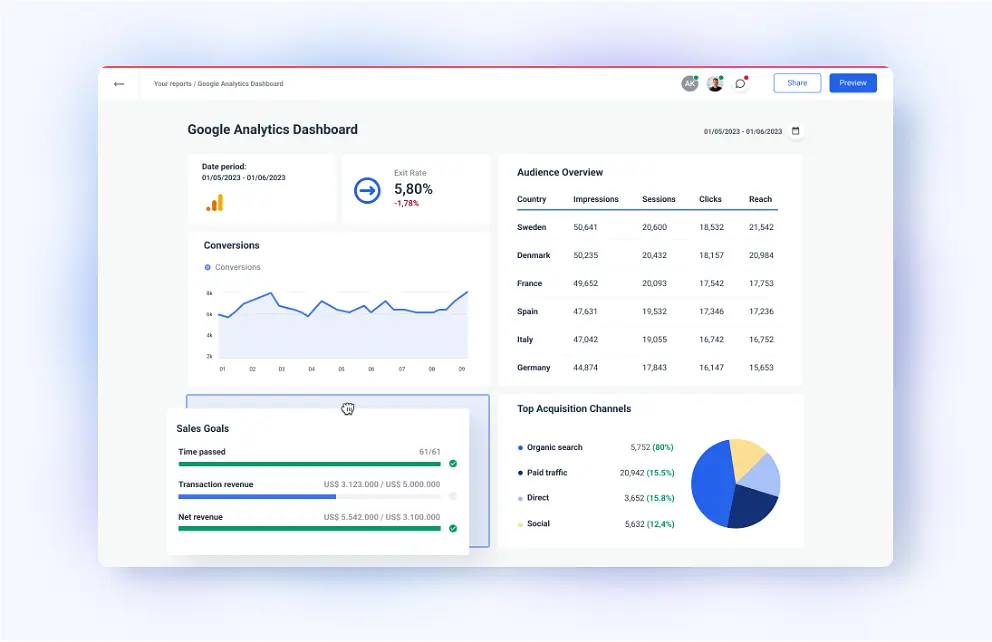
Data-driven decision-making is key to ecommerce success. Implementing AI-powered analytics to gather insights on customer behavior, inventory management, and sales trends can provide valuable information to optimize marketing strategies and improve overall operations. Leveraging these insights enables businesses to adapt quickly to changing market conditions.
In conclusion, as we move deeper into 2025, the ecommerce landscape will require businesses to innovate and adapt to stay competitive. By incorporating these ten must-have features into your website, you can create a robust online shopping environment that not only meets but exceeds customer expectations. Remember, investing in the right technology and customer experiences today will set the foundation for your ecommerce success tomorrow.
If you’re looking to discuss how to implement these features on your ecommerce platform, feel free to reach out at Palnode (Tel/Whatsapp: +256 70549 0849) . Together, we can build a successful strategy that sets your brand apart in the bustling world of online retail.