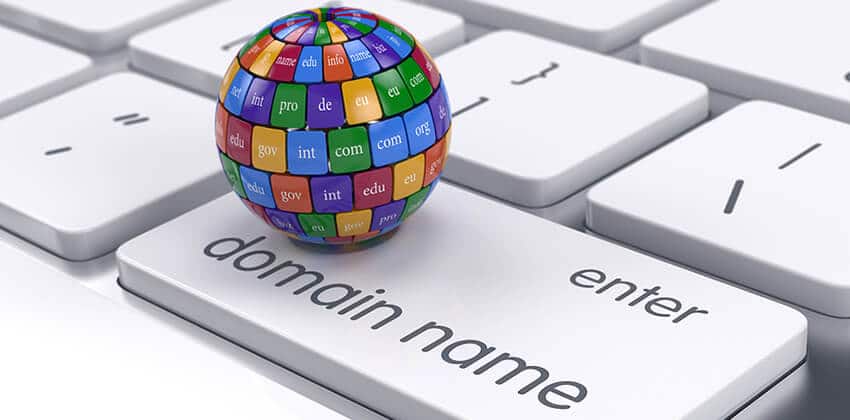
Top-level domains (TLDs) are the last part of a domain name, appearing after the final dot. They play a vital role in the domain name system (DNS), which organises the internet. Well-known TLDs include .com, .org, and .net — but there are many others, each designed for specific uses. For example, .edu is reserved for educational institutions, while .gov is for government entities. Choosing the right TLD can greatly affect your brand’s credibility and user trust, making it a strategic choice for any business.
We’ve put together this guide to help you decide. Keep reading to find a list of top-level domains, tips for selecting the best TLD for your business, and insights into how your choice can influence branding and SEO.
How TLDs Work and Why They Matter
Understanding what a top-level domain is crucial for business owners aiming to build a lasting identity. When you type a web address, the browser first identifies the TLD — which directs the request to the correct server. Think of TLDs as signposts online, guiding users to the type of content they expect.
A carefully chosen TLD or domain extension shapes how your website is perceived. Studies show that many users associate a .com domain with credibility, professionalism, and stability. In an era of frequent online scams, this perception is very important.
Your TLD reflects your brand identity, too. For example, a tech startup may pick .tech to highlight its industry, while a non-profit might choose .org to emphasise its mission. Selecting a TLD that resonates with your audience strengthens your brand message and helps you stand out.
While TLDs don’t directly affect search engine rankings, they do influence SEO indirectly. A relevant, memorable TLD can attract more visitors and boost organic traffic. For instance, a bakery in Uganda might use a local TLD like .ug or .co.ug to target Ugandan customers and improve visibility in local searches, leading to higher engagement and repeat visits thanks to an easy-to-remember web address.
The growing variety of TLDs is clear from the numbers. According to Verisign, over 354 million domain names were registered worldwide in early 2023. The rise of niche TLDs like .store and .design shows a trend towards specialisation, allowing brands to connect more closely with their audiences.
Essentially, your TLD acts as your digital signature. It shapes perceptions, boosts credibility, and impacts user engagement. The best TLD is one that sticks in people’s minds and inspires confidence. Understanding TLDs’ power is key to online success.
Types of TLDs
Each type of TLD serves a unique purpose, affecting your brand’s visibility and credibility differently. Here’s a list of common categories to guide your choice:
Traditional gTLDs
Examples: .com, .org, .net, .biz, .info
Use them for: Versatile, widely recognised domains suitable for many business types.
- .com
The gold standard, representing nearly two-thirds of all domains. Ideal for credibility and brand visibility.
Pros: Universal recognition, trusted, enhances brand presence
Cons: Highly competitive; many names taken
Cost: $10–$20 first year - .org
Originally for non-profits but now also used by for-profits with social missions.
Pros: Signals credibility and trustworthiness
Cons: Can be misleading if used without clarity by for-profits
Cost: $10–$20 first year - .net
Designed for network-related businesses, great for tech companies and ISPs.
Pros: Trusted alternative, tech-focused
Cons: Less versatile than .com
Cost: $15–$25 first year
Geographic ccTLDs
Examples: .ug, .co.ug (Uganda), .uk (United Kingdom), .ca (Canada)
Use them for: Targeting local or regional markets, boosting local SEO, building community trust.
Pros: Better local search visibility, stronger local connection
Cons: Audience limited to specific regions
Cost: $10–$50 first year
New, niche, and community TLDs
Examples: .tech, .store, .blog, .eco
Use them for: Creative branding and targeting specific industries or communities.
- .tech
Great for tech firms, signalling industry focus. - .store
Ideal for e-commerce, clearly indicating shopping intent. - .design
For creative professionals and agencies.
Costs vary between $5 and $70 for the first year, depending on the TLD.
Other TLDs
Include sponsored TLDs like .edu and .gov, infrastructure TLDs such as .arpa, and brand-specific TLDs like .apple or .ibm.
Choosing the Right TLD
Consider your audience, business goals, and the meaning of each TLD. A well-chosen domain extension can enhance your online visibility and build trust.
Things to Consider When Choosing Your TLD
SEO and marketing impact
While search engines focus more on content and user experience than on TLDs, the domain extension affects SEO indirectly.
- Credibility: Familiar TLDs (.com, .org, .net) build trust, leading to better engagement.
- Brand recognition: Brand-specific TLDs (.apple, .ibm) improve visibility and memorability.
- Market targeting: ccTLDs (.ug, .co.ug) help target specific regions and improve local SEO.
- Industry relevance: New gTLDs (.tech, .app) signal niche markets and improve click-through rates.
Neil Patel, a digital marketing expert, notes that industry-specific TLDs can boost SEO by telling Google and users what your site is about.
Examples of TLD Use
- Uganda’s ccTLDs: Businesses targeting Uganda might use .ug or .co.ug to localise their presence and enhance search rankings in the region.
- Tech industry: The .tech domain is widely used by tech companies to showcase their sector focus.
- Global brands: Major companies like Apple and Google use .com domains to reflect their international reach.
Security Matters
Ensure your domain uses SSL certificates to protect data and build trust. Consider domain protection to prevent misuse.
Competitor Analysis
Look at what TLDs your competitors use to find opportunities or gaps. Consider registering multiple TLD variants to protect your brand.
Emerging Trends
Watch out for new TLDs like Web3 domains (.eth, .metaverse) that align with blockchain and metaverse technologies. While these are outside ICANN’s control, they reflect evolving internet trends.
Demystifying Domain Registrars
After choosing your TLD, select a domain registrar to manage your domain registration and technical details. Palnode is an example of a registrar and hosting provider that can help you secure your domain and host your website reliably.
How registrars work:
Registrars connect with registries that maintain domain databases. They handle domain availability, registration, and renewals.
What to look for in a registrar:
- Security features like WHOIS privacy protection
- Reliable 24/7 customer support
- Transparent pricing
- Strong security record
Find the Best TLD for You with Palnode
Selecting the right TLD is essential for building your online identity and maximising business visibility. Traditional domains like .com offer familiarity, but newer TLDs provide unique branding opportunities.
At Palnode, we recommend choosing a TLD that aligns with your brand and audience, paired with quality content and excellent user experience, to ensure long-term success.
Need help navigating TLDs? Contact Palnode today.